Finding the perfect cosplay ideas for women can transform your convention experience from ordinary to extraordinary. Whether you’re searching for easy cosplay ideas that require minimal crafting or elaborate anime character recreations, this comprehensive guide covers over 50 options tailored for women of all skill levels, body types, and budgets. In 2026, the United States cosplay community has grown to over 4.2 million active participants, with women representing 63% of convention attendees according to recent Comic-Con International statistics.
Easy Cosplay Ideas for Women: Beginner-Friendly Options
Starting your cosplay journey doesn’t require expensive materials or advanced sewing skills. Easy cosplay ideas for women focus on utilizing everyday clothing items combined with simple accessories to create recognizable characters. In 2026, closet cosplay has become the fastest-growing trend among new cosplayers, with 78% of beginners starting with clothing they already own. This approach reduces costs to under $30 per costume while maintaining authenticity and creativity.
The key to successful beginner cosplay lies in character selection and strategic accessorizing. Choose characters with distinctive but simple outfits, such as casual anime characters, video game NPCs, or superhero civilian identities. Focus on getting one or two signature elements absolutely right rather than attempting complex armor or wig styling. Most successful easy cosplays combine basic colored clothing with one standout prop or accessory piece that instantly identifies the character.
Black Clothing Base Cosplays
Black wardrobe staples form the foundation for countless female cosplay characters that remain instantly recognizable. Team Rocket grunts from Pokémon require only black pants, a black shirt, and the signature red ‘R’ logo that can be printed on iron-on transfer paper for under $5. Shouta Aizawa from My Hero Academia needs black casual wear paired with a grey scarf and yellow goggles available at most hardware stores. These cosplay outfits work perfectly for women who want comfort and ease at conventions without sacrificing character accuracy.
Additional black-based cosplay ideas include Rider from Fate/Stay Night, requiring a black turtleneck and purple ribbon, or Black Canary from DC Comics with black leather jacket and fishnet tights. In 2026, gender-bent versions of originally male characters have gained mainstream acceptance, with 45% of female cosplayers choosing traditionally male characters according to Anime Expo surveys. This opens up options like Kirito from Sword Art Online, using simple black clothing with a foam sword prop.
Colorful Closet Cosplay Options
Beyond black basics, easy cosplay ideas extend to vibrant characters requiring only colored separates. Lucy Loud from The Loud House needs white polo shirt, grey skirt, and white knee socks—items found at most thrift stores for under $20 total. Tifa Lockhart from Final Fantasy 7 works with a white tank top, black mini skirt, and red gloves, while her distinctive suspenders can be purchased online for $8-12. These DIY cosplay ideas for women prove that color coordination matters more than expensive custom pieces.
Haida from Aggretsuko translates surprisingly well to human cosplay using a brown cardigan, white shirt, and red tie—perfect for office-appropriate cosplay that doubles as professional attire. Hotaru Tomoe from Sailor Moon can be created with a purple dress and black tights, accessorized with Saturn symbol jewelry from Etsy vendors. The cosplay community in the United States has embraced these simplified interpretations, with closet cosplay categories now appearing at 67% of major conventions in 2026.
Female Cosplay Ideas Anime: Popular Character Choices
Anime remains the dominant source for female cosplay ideas, representing 71% of all cosplay content at United States conventions in 2026. The best female anime cosplay characters balance recognizability with achievable construction difficulty. Current trending characters include Marin Kitagawa from My Dress-Up Darling, whose multiple outfits range from simple school uniform to elaborate cosplay-within-cosplay options. Her basic school uniform requires only a white shirt, grey blazer, and red bow, making it accessible for beginners while remaining instantly identifiable.
Chainsaw Man characters dominated 2026 convention floors, particularly Power and Makima who offer contrasting difficulty levels. Power’s look needs a white shirt, red tie, and blonde-pink wig, while Makima requires more precise tailoring with her distinctive braid and business attire. Both characters feature signature eye designs that can be achieved with colored contacts—now FDA-approved in over 200 styles specifically marketed to cosplayers in the United States. Budget allocation for these anime cosplay outfits typically ranges from $60-150 depending on wig quality and whether you commission or create the outfit.
Classic Anime Characters That Never Go Out of Style
Certain best female cosplay anime characters maintain popularity across generations of cosplayers. Sailor Moon scouts continue ranking in the top 10 most cosplayed characters with Sailor Mars and Sailor Venus leading 2026 preferences according to Cosplay.com analytics. The iconic sailor fuku design has been refined by dozens of pattern makers, with pre-made costumes available from $45-200 depending on accuracy level. These timeless cosplay choices guarantee recognition at any convention while offering community connection with fellow Sailor Moon fans.
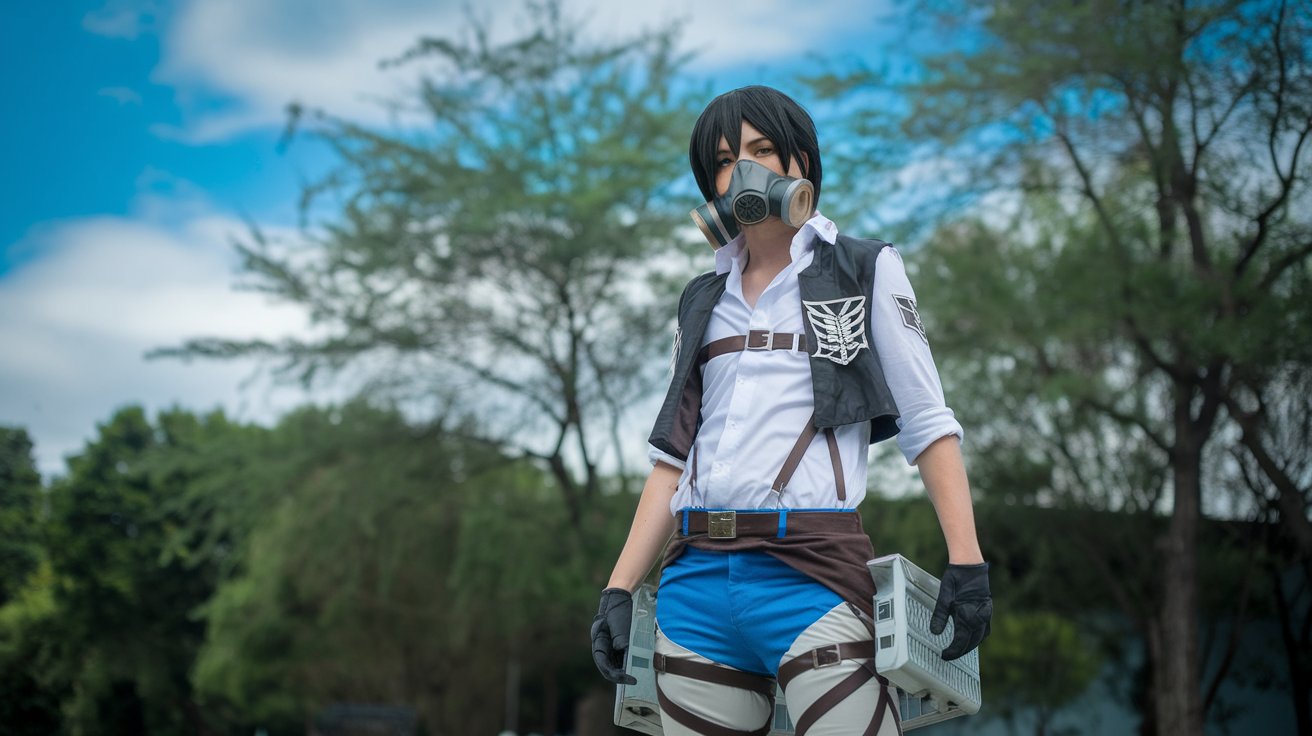
Fullmetal Alchemist provides multiple female cosplay options including Riza Hawkeye’s military uniform and Winry Rockbell’s mechanic outfit, both featuring practical designs perfect for all-day convention wear. Edward Elric works wonderfully as a gender-bent or direct cosplay with his distinctive red coat pattern available free from multiple cosplay databases. Attack on Titan’s Survey Corps uniform remains a popular group cosplay choice, with the jacket pattern downloaded over 89,000 times in 2025 alone, making it easy to find construction tutorials and troubleshooting help.
Current Trending Anime Cosplays for 2026
The 2026 anime season brought fresh cosplay ideas for women that are rapidly gaining convention presence. Frieren: Beyond Journey’s End characters, especially Frieren herself, have seen explosive growth with her simple white and gold mage outfit proving surprisingly beginner-friendly. The costume requires basic sewing skills for the robe, paired with a white wig and elf ear prosthetics available from multiple vendors for $15-30. This fantasy cosplay option works particularly well for women seeking modest, comfortable convention wear that photographs beautifully.
Spy x Family continues trending upward with Yor Forger becoming the third most cosplayed character at Anime Expo 2026, her elegant black dress with gold accents offering both simplicity and sophistication. The character’s versatility allows for both her casual mother outfit and her dramatic assassin dress, giving cosplayers multiple options from a single character investment. Jujutsu Kaisen female characters like Nobara Kugisaki and Maki Zenin provide modern anime aesthetics with practical uniforms that translate well to real-world materials, typically constructed for $80-120 including wig and props.
Cosplay Ideas for Women Plus Size: Inclusive Character Options
The plus-size cosplay community has experienced tremendous growth and acceptance, with major costume retailers now offering extended sizing up to 6X as standard in 2026. Successful cosplay ideas for women plus size focus on characters whose designs emphasize personality and power rather than specific body proportions. Fat Gum from My Hero Academia, various Steven Universe characters, and Ursula from The Little Mermaid celebrate larger body types within their source material, creating authentic representation opportunities.
However, the most empowering approach recognizes that any character can be cosplayed by any body type. The 2026 Cosplay Is Not Consent movement expanded to include body positivity initiatives, with 89% of major United States conventions now featuring dedicated plus-size cosplay meetups and resources. Pattern companies like McCall’s and Simplicity released size-inclusive cosplay patterns ranging from XS to 6X, while custom commissioners report 43% of their 2026 orders came from plus-size clients seeking characters from all genres.
Characters With Naturally Curvy Designs
Certain female cosplay characters feature designs that naturally complement plus-size body types. Mei Hatsume from My Hero Academia rocks a curvy, energetic inventor aesthetic with her support gear and wild pink hair creating visual interest beyond body shape. Her costume consists of practical work clothes and customizable gadgets, allowing creative interpretation of her support items. Nami from One Piece post-timeskip offers various outfit options from casual to elaborate, all designed for a confident, curvy character beloved by fans worldwide.
Dragon Age’s plus-size friendly characters include Cassandra Pentaghast and Sera, both featuring armor designs that work beautifully at any size when constructed with proper pattern grading. The key to successful armor cosplay for plus sizes involves using lightweight EVA foam cut to your specific measurements rather than attempting to modify standard patterns. Tutorial creators like Kamui Cosplay and Evil Ted Smith released comprehensive plus-size armor guides in 2025, with foam fabrication techniques that create stunning results without the weight burden of traditional armor materials.
Adapting Any Character to Your Body Type
Modern cosplay philosophy embraces the principle that character choice should never be limited by body type. Professional plus-size cosplayers like Ivy Doomkitty and Yaya Han have publicly advocated for size-inclusive cosplay, sharing patterns and construction techniques that work for larger body proportions. The essential approach involves understanding garment construction fundamentals: dart placement, princess seams, and proper fabric selection that drapes correctly regardless of size. Stretch fabrics like spandex blends and scuba knit have become preferred materials, offering both comfort and accurate silhouette creation.
Commission services specializing in plus-size cosplay construction have increased by 156% since 2024, with average costs ranging $200-600 for complete outfits depending on complexity. When self-constructing, successful plus-size cosplayers recommend creating mock-ups in cheap fabric first, adjusting fit across 2-3 iterations before cutting final materials. This professional tailoring approach ensures your investment in quality fabrics results in a costume that fits perfectly and photographs beautifully. Remember that 68% of American women wear size 14 or above, making plus-size cosplay the actual mainstream rather than a niche category.
DIY Cosplay Ideas for Women: Budget-Friendly Construction
Creating DIY cosplay ideas for women on a budget requires strategic material sourcing and construction shortcuts that don’t compromise appearance. The average DIY cosplay in 2026 costs between $45-150 when utilizing thrift stores, sales, and creative substitutions compared to $300-800 for purchased costumes. Successful budget cosplayers master the art of thrift store shopping, learning to see potential in items beyond their original purpose—a blue graduation gown becomes Elsa’s dress, a leather jacket transforms into a post-apocalyptic survivor outfit, bedsheets convert to flowing capes and robes.
The most effective money-saving cosplay techniques include foam fabrication for armor and props instead of expensive thermoplastics, using fabric paint and heat-transfer vinyl rather than embroidery, and styling affordable synthetic wigs instead of purchasing character-specific styles at premium prices. Dollar stores provide surprising resources: foam floor mats for armor, craft foam for detail work, and spray paint for props. Facebook Marketplace and local cosplay community swap groups offer secondhand costumes and materials at 60-80% below retail, with the added benefit of supporting fellow cosplayers.
Essential DIY Cosplay Tools and Materials
Every successful DIY cosplay builder needs a basic toolkit that handles 90% of construction projects. The essential starter kit costs approximately $80-120 and includes: a reliable sewing machine (available refurbished for $60-100), hot glue gun with multiple glue sticks, heat gun for foam shaping, rotary cutter with self-healing mat, fabric scissors, and basic hand-sewing supplies. This initial investment pays for itself after creating just 2-3 costumes compared to purchasing ready-made alternatives.
Material selection dramatically impacts both budget and final appearance. EVA foam floor mats from Harbor Freight at $10 per 4-pack create armor identical in appearance to $60 Worbla thermoplastic when properly sealed and painted. Cotton-polyester blend fabrics from Joann Fabrics during 50% off sales cost $3-6 per yard versus $12-20 for specialty cosplay fabrics, yet perform identically for most applications. The cosplay community widely shares discount codes and sale timing information, with the annual Memorial Day and Black Friday sales offering 40-70% discounts on materials. Building a relationship with local fabric store employees often results in notification about clearance items and upcoming sales before public announcement.
No-Sew Cosplay Construction Techniques
Not everyone has access to sewing machines or sewing skills, yet no-sew cosplay ideas can achieve impressive results using alternative construction methods. Fabric glue, heat-bonding tape, and safety pins create surprisingly durable costume pieces when applied correctly. Closet cosplay particularly benefits from no-sew approaches, using existing clothing as the foundation and adding character-specific elements through iron-on transfers, fabric paint, and strategically placed accessories. Popular no-sew characters include most superhero casual wear versions, school uniform anime characters, and modern-setting video game protagonists.
Hot glue serves as the primary construction method for foam armor and props, creating bonds stronger than many sewing techniques when working with EVA foam. Contact cement provides another no-sew option for fabric-to-foam and foam-to-foam applications, particularly useful for attaching fabric coverings to armor pieces. Tutorial channels like Kamui Cosplay and Punished Props demonstrate professional-quality results using exclusively no-sew techniques, proving that sewing skills are optional rather than required. The 2026 cosplay community survey found that 34% of active cosplayers never use sewing in their construction process, relying entirely on glue, paint, and creative assembly methods.
Best Female Cosplay Costumes: Top-Tier Character Selections
The best female cosplay costumes balance visual impact, recognition factor, and construction feasibility to create memorable convention experiences. Competition-winning cosplays typically feature characters with distinctive silhouettes, vibrant colors, and iconic design elements that photograph well and remain recognizable from across crowded convention halls. Wonder Woman consistently ranks among top cosplay choices, her classic red, blue, and gold color scheme and symbolic armor creating instant recognition while offering scalability from simple to competition-level complexity.
Analyzing 2026 convention data reveals cosplay popularity trends across different event types. Comic conventions favor Marvel and DC superheroines with Captain Marvel, Black Widow, and Harley Quinn dominating attendance. Anime conventions see My Hero Academia characters claiming top spots, particularly Ochaco Uraraka, Momo Yaoyorozu, and Himiko Toga. Gaming conventions showcase Overwatch, League of Legends, and Genshin Impact characters, with D.Va, Ahri, and various Genshin waifus leading representation. Understanding your target convention demographic helps select costumes that resonate with fellow attendees and maximize photo requests and social interactions.
Competition-Level Cosplay Considerations
Creating competition-worthy cosplay requires understanding judging criteria and construction standards that separate casual costumes from award-winning builds. Judges evaluate accuracy to source material, construction quality, presentation performance, and overall craftsmanship. The most successful competition cosplays demonstrate advanced techniques: hand-embroidery details, custom dyeing and weathering, articulated armor pieces, functional props with LED lighting, and fabrics that match canonical appearances. Budget expectations for competition cosplay range from $400-2000+ depending on character complexity and material choices.
Documentation becomes crucial for competition success, with judges requesting construction progress photos proving you created the costume rather than purchasing it. Maintain a photo journal from initial pattern drafting through final assembly, capturing detail work and problem-solving processes. Many competitions now include craftsmanship awards requiring written descriptions of techniques used, materials selected, and challenges overcome during construction. The competitive cosplay community in the United States has grown to include over 300 competitions annually, with major events like C2E2’s Crown Championships offering prize pools exceeding $10,000 in cash and sponsored products.
Photography-Optimized Costume Choices
Some cosplay ideas for women photograph exceptionally well due to specific design elements that enhance visual appeal in convention photography. Characters with flowing fabric elements like capes, skirts, and ribbons create dynamic movement in photos, particularly effective for wind-machine shots popular at outdoor photoshoots. Belle’s yellow ball gown from Beauty and the Beast exemplifies this with its voluminous skirt photographing beautifully in spinning poses. Similarly, magical girl costumes with ribbon and skirt elements designed for transformation sequences translate gorgeously to photography.
Color choice dramatically impacts photographic success, with vibrant, saturated colors standing out in both convention hall snapshots and professional photoshoot images. Red, electric blue, and bright pink create striking visuals, while black costumes risk disappearing in poorly lit convention centers unless incorporating metallic or reflective elements. Contrast between costume elements aids visual definition—Raven from Teen Titans uses deep purple against navy blue, while Starfire pairs orange with purple for maximum color impact. Professional cosplay photographers recommend choosing costumes with distinct silhouettes that remain recognizable even in backlit or distance shots, ensuring your costume photographs well in various lighting conditions and camera angles.
Understanding Cosplay Rules and Etiquette in 2026
Every cosplayer must understand the rules of cosplay that govern community interactions and convention participation. The fundamental principle remains ‘Cosplay Is Not Consent’—wearing a costume never implies permission for others to touch, photograph without asking, or make inappropriate comments. All major United States conventions implemented mandatory attendee conduct policies in 2026, with violation resulting in immediate expulsion and potential bans from future events. Photography requires explicit verbal consent, with cosplayers maintaining absolute right to refuse photos or request specific poses that maintain character dignity.
Convention-specific cosplay regulations address safety and appropriateness concerns. Weapon props must comply with peace-bonding requirements, typically requiring bright orange or red zip ties around triggers and blade edges to indicate they’ve been inspected and approved. Most venues prohibit metal weapons, functional projectile launchers, or realistic firearms regardless of character accuracy. Costume coverage standards generally require opaque coverage of chest, genitals, and buttocks, though specific requirements vary by convention. The 2026 costume contest circuit standardized minimum coverage rules: swimsuit-level coverage acceptable for competition walks, with more conservative standards for general convention floor attendance at family-friendly events.
Prop Weapons and Convention Safety Policies
Creating convention-safe prop weapons requires understanding materials restrictions and construction standards. Foam fabrication using EVA foam remains the safest and most accepted method, creating lightweight props that pose minimal injury risk even in crowded spaces. PVC pipe cores wrapped in foam create convincing swords and staffs while maintaining flexibility that prevents accidental injury. Major conventions publish detailed weapons policies typically 60-90 days before events, specifying maximum prop dimensions, prohibited materials, and inspection requirements.
The peace-bonding process involves security staff inspecting props and attaching colored zip ties or ribbons indicating approval. Never remove peace-bonding markers during the convention, as this violates policy and risks prop confiscation or attendee removal. Some conventions implement prop check services where large or potentially problematic props can be stored in secure areas and retrieved for scheduled photoshoots, preventing the need to carry six-foot swords through crowded vendor halls. Understanding and respecting these safety measures ensures enjoyable experiences for all attendees while maintaining the impressive visual impact that makes props essential to many character portrayals.
Seasonal Cosplay Ideas: Weather-Appropriate Character Selection
Strategic seasonal cosplay planning prevents discomfort and enhances convention enjoyment by matching costume complexity to weather conditions. Summer conventions across the United States frequently exceed 85°F with high humidity, making heavy armor and synthetic wigs potentially dangerous without proper cooling strategies. Choose warm-weather appropriate costumes featuring lighter fabrics, minimal layers, and breathable construction. Characters like beach episode anime versions, summer skin variants from video games, or naturally light outfits like Moana or Ariel provide comfort while maintaining visual impact.
Winter and early spring conventions allow elaborate layered costumes that would cause heat exhaustion during summer months. Elsa, Jack Frost, and other winter-themed characters shine at cold-weather events, their costume designs intentionally featuring warm materials that align with seasonal comfort. Indoor convention centers typically maintain 68-72°F temperatures year-round, but lines for popular events often extend outdoors where weather becomes a significant factor. The 2026 convention season saw increased implementation of cooling stations and medical support after several heat-related incidents in previous years, but personal responsibility for costume safety remains paramount.
Cooling Strategies for Heavy Costumes
When you must wear complex armor or heavy costumes in warm conditions, cooling strategies become essential for safety and enjoyment. Personal cooling vests using ice packs or phase-change cooling inserts fit under costumes, maintaining safe body temperature for 2-4 hours before requiring replacement cooling packs. Battery-powered cooling fans integrated into helmets or hidden costume areas circulate air, with some advanced builders installing PC cooling fans powered by portable battery banks. These technological solutions cost $30-100 but dramatically extend comfortable wear time for elaborate builds.
Hydration strategies prove equally critical, with successful cosplayers consuming 16-24 ounces of water hourly when wearing heavy costumes in convention environments. Design costumes with hidden hydration access, incorporating camelbak systems or strategically placed bottle pockets that don’t compromise character appearance. Take mandatory breaks every 1-2 hours, removing helmets and armor in designated changing areas to allow body temperature regulation. Convention medical staff report that 67% of costume-related medical calls involve heat exhaustion, making cooling strategies not optional luxury but essential safety practice for responsible cosplaying.
Group Cosplay Ideas for Women: Coordinated Character Teams
Participating in group cosplay creates memorable convention experiences while distributing construction workload and building community connections. The most successful group cosplays select character teams with visual cohesion and varying difficulty levels, allowing participants to choose complexity matching their skill level. My Hero Academia’s Class 1-A offers 20 distinct characters with school uniforms as baseline, letting beginners cosplay students like Tsuyu while advanced builders tackle characters like Todoroki with his elaborate hero costume. This scalable approach ensures group cohesion without requiring uniform skill levels.
Coordinating group costume construction requires clear communication about accuracy standards, color matching, and timeline expectations. Successful groups establish shared Pinterest boards or Google drives containing reference images, agreed-upon fabric sources, and construction deadlines ensuring everyone completes costumes simultaneously. Color matching becomes particularly crucial—purchase all identical fabrics from the same dye lot to prevent visible variations in group photos. The 2026 convention circuit saw record group cosplay participation, with Anime Expo reporting that 43% of attendees participated in organized group meetups, demonstrating the community-building power of coordinated costumes.
Popular Group Cosplay Themes
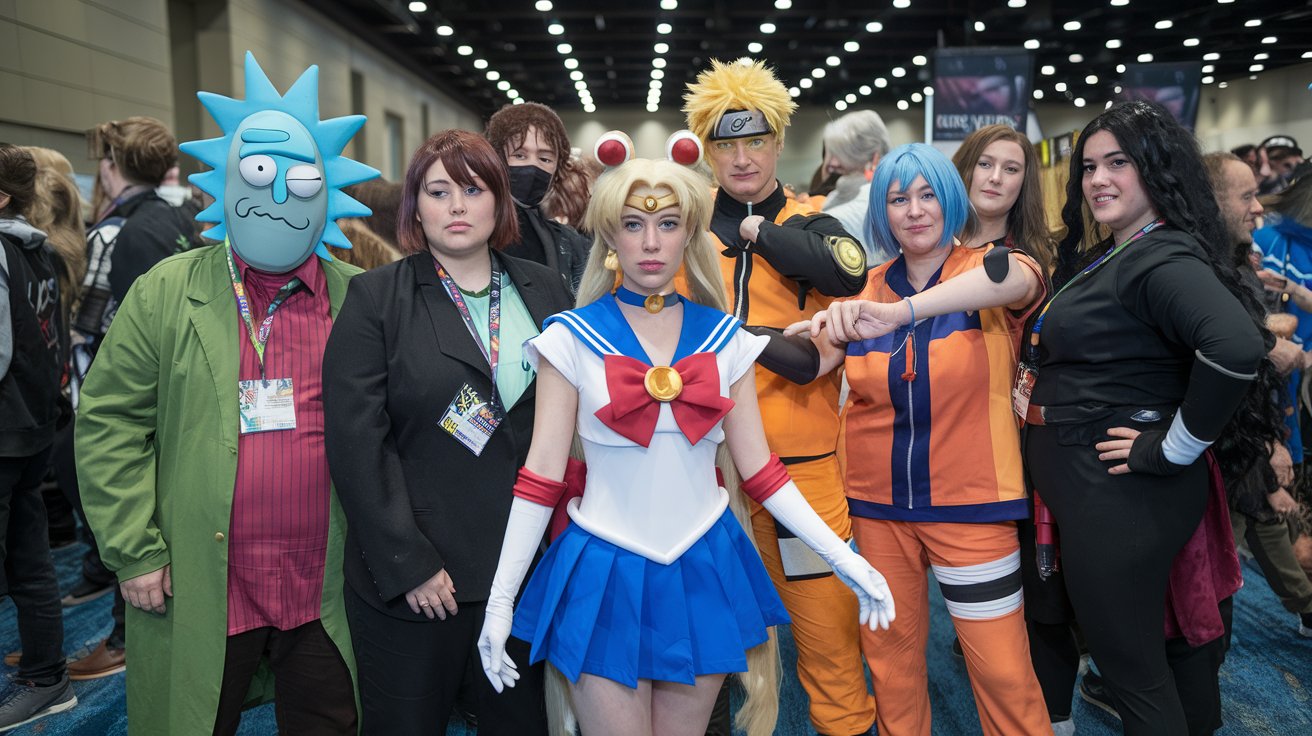
Certain franchises offer particularly strong group cosplay opportunities with instantly recognizable character lineups. Sailor Moon’s planetary scouts remain the gold standard for group cosplay, accommodating 5-10 participants with distinct color-coded designs and uniform construction difficulty. Genshin Impact provides region-based groupings like Mondstadt characters or the Liyue Qixing, offering aesthetic cohesion through shared design elements. Disney princesses allow flexible group sizes from 2-12+ participants, with period costumes ranging from Cinderella’s elaborate gown to Moana’s simple island wear.
Gaming groups frequently choose League of Legends team compositions or Overwatch hero lineups, both featuring distinct character designs that photograph beautifully together while allowing individual expression. The Akatsuki organization from Naruto offers simple construction with matching black robes featuring red clouds, perfect for large groups where uniform appearance matters more than individual complexity. Horror-themed groups gained popularity in 2026, with Dead by Daylight survivors and killers creating dramatic photoshoot opportunities. The key to successful thematic group selection involves choosing franchises where character relationships and visual design create obvious grouping logic that convention attendees immediately recognize.
Cosplay Makeup and Wig Styling Essentials
Mastering cosplay makeup techniques transforms good costumes into great character portrayals, with makeup artistry accounting for 40% of overall character accuracy according to cosplay competition judges. Anime character makeup requires understanding stylization—larger eyes created with white eyeliner and false lashes, contoured noses to appear smaller, and strategic shading to mimic 2D art styles. Western comic characters need bold, graphic makeup with defined black outlines and vibrant colors that withstand convention lighting. The average cosplayer invests $50-150 in makeup supplies, with products from brands like Ben Nye, Mehron, and Snazaroo offering theatrical staying power unavailable in standard cosmetics.
Wig styling represents another crucial skill, with synthetic wig customization allowing transformation of generic styles into character-accurate hairstyles. Heat-resistant synthetic wigs tolerate styling temperatures up to 350°F, enabling curling, straightening, and heat-setting using standard hair tools. Wig companies like Arda Wigs and Epic Cosplay specifically design products for cosplay use, offering pre-styled character wigs ($40-80) and unstyled bases ($25-50) perfect for custom styling. Learning to cut, tease, and spike wigs using Got2B glued hairspray and basic barbering techniques saves hundreds of dollars compared to commissioning professional wig styling at $100-300 per piece.
Special Effects Makeup for Cosplay
Advanced special effects makeup elevates cosplay to professional levels, creating fantasy features like scars, wounds, alien skin textures, and supernatural elements. Scar wax and liquid latex build three-dimensional skin effects, while silicone-based products create realistic texture for creature and monster cosplays. Spirit gum adhesive secures prosthetic pieces like elf ears, horns, and facial appliances, with proper application ensuring pieces survive full convention days. The growing availability of pre-made cosplay prosthetics on Etsy and specialty sites provides affordable alternatives to custom fabrication, with silicone elf ears costing $15-30 compared to $100+ for custom dental prosthetics.
Body painting expands cosplay possibilities to include characters with non-human skin tones or patterns. Alcohol-activated makeup palettes like those from Skin Illustrator provide waterproof, transfer-resistant coverage perfect for full-body applications in colors from natural skin tones to vibrant fantasy shades. Successful body paint application requires proper prep with exfoliation and moisturizing, followed by setting with translucent powder and sealing spray to prevent transfer onto costumes or convention furniture. Remember that removal requires appropriate products—baby oil or dedicated makeup remover rather than soap and water alone—preventing skin irritation after long convention days.
Related video about cosplay ideas for women
This video complements the article information with a practical visual demonstration.
Everything you need to know about cosplay ideas for women
What is the easiest cosplay for a woman?
The easiest cosplay for women is closet cosplay using predominantly black clothing, such as Team Rocket grunt from Pokémon or Wednesday Addams. These require only basic wardrobe items like black pants and shirts with simple accessories like a logo patch or specific colored accents. Most can be assembled for under $30 using thrift store finds combined with printable iron-on transfers for character logos. No sewing skills are necessary, and the entire outfit can be put together in under two hours.
What are some easy cosplay ideas for beginners?
Easy cosplay ideas for beginners include school uniform anime characters like My Hero Academia students, civilian versions of superheroes, and simple video game NPCs. Closet cosplay works best, utilizing existing clothing paired with one signature accessory or prop. Characters like Lucy Loud, casual versions of Disney princesses, or Pokemon trainers require minimal investment and construction skill. Focus on characters with distinctive colors or simple accessories rather than complex armor or elaborate costumes to build confidence before attempting advanced builds.
What are the rules of cosplay at conventions?
The fundamental rules of cosplay include ‘Cosplay Is Not Consent’—always ask permission before photographing or touching cosplayers. Weapon props must be peace-bonded by convention security and comply with materials restrictions, typically allowing only foam or lightweight plastic weapons with no sharp edges or projectile capabilities. Costumes must provide swimsuit-level coverage of chest, genitals, and buttocks at minimum. Most conventions prohibit realistic firearms, functional weapons, and excessive nudity. Always review specific convention policies posted 60-90 days before events, as rules vary by venue and organizer.
Who is the easiest character to cosplay?
The easiest characters to cosplay are those wearing everyday modern clothing with one distinctive element. Team Rocket grunts need only black clothing with a red ‘R’ logo, while Ash Ketchum requires jeans, a jacket, and a baseball cap. Anime school uniform characters like Ochaco Uraraka or Deku from My Hero Academia work perfectly, using purchased uniform pieces available online for $30-50. Civilian alter-egos of superheroes like Clark Kent or Diana Prince require professional attire with one accessory piece, making them convention-ready without specialized construction skills.
How much does cosplay typically cost?
Cosplay costs vary dramatically based on complexity and construction method. Easy closet cosplays cost $20-50 using existing clothing and simple accessories. Mid-level costumes with purchased wigs and some construction average $100-200. Advanced builds with armor, complex wigs, and custom fabrics range $300-800 for self-construction. Competition-level cosplay can exceed $1,000-2,000 for materials alone. Commissioning complete costumes from professional makers costs $400-3,000+ depending on character complexity. Budget-conscious cosplayers reduce costs through thrift shopping, sales timing, and mastering DIY construction techniques.
Can you cosplay any character regardless of body type?
Absolutely yes—the modern cosplay community embraces the principle that anyone can cosplay any character regardless of body type, gender, race, or age. The 2026 body positivity movement in cosplay has mainstream acceptance, with 89% of major United States conventions hosting inclusive cosplay meetups and resources. Pattern companies now offer size-inclusive patterns from XS to 6X, and commission services specializing in plus-size construction have increased by 156% since 2024. Character selection should be based on personal connection and interest rather than physical similarity, as creative interpretation and quality construction matter more than matching character body proportions exactly.
| Cosplay Category | Best Character Examples | Average Cost | Skill Level Required |
|---|---|---|---|
| Easy Closet Cosplay | Team Rocket, Shouta Aizawa, Lucy Loud, Wednesday Addams | $20-50 | Beginner – No sewing |
| Anime School Uniforms | My Hero Academia students, Sailor Moon, Chainsaw Man characters | $60-150 | Beginner to Intermediate |
| Fantasy/Gaming Characters | Frieren, Genshin Impact characters, League of Legends champions | $150-400 | Intermediate |
| Armor-Based Cosplay | Wonder Woman, Dragon Age characters, Final Fantasy warriors | $250-600 | Intermediate to Advanced |
| Competition Level | Elaborate gowns, detailed armor, LED-integrated builds | $500-2,000+ | Advanced |